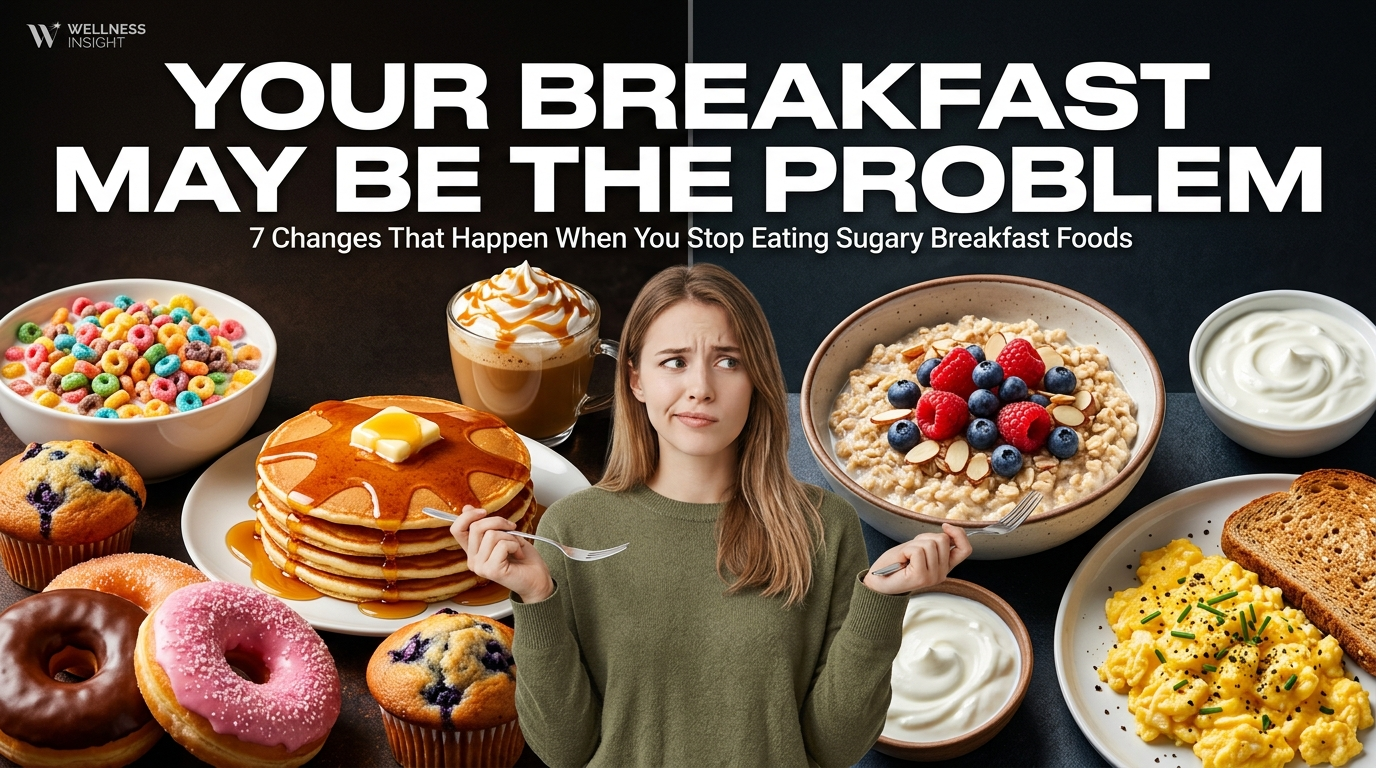
Have you ever finished breakfast, felt energized for an hour, and then suddenly found yourself hungry, tired, or craving something sweet again?
You’re not alone.
Many popular breakfast foods are loaded with added sugar. From colorful breakfast cereals and pastries to flavored coffee drinks and sweetened yogurt, sugar has become a normal part of the morning routine for millions of people.
Interestingly, many people who struggle with constant hunger don’t realize that breakfast choices may play a role. If you’ve ever wondered why you feel hungry when trying to lose weight , breakfast could be one piece of the puzzle.
The surprising part is that many of these foods are marketed as convenient or even healthy. Yet they often leave people feeling hungry sooner than expected and searching for another snack before lunch.
So what happens when you stop eating sugary breakfast foods?
While everyone is different, many people notice changes in their energy, appetite, cravings, and eating habits within days or weeks.
Let’s take a closer look.
What Are Sugary Breakfast Foods?
Sugary breakfast foods are foods that contain significant amounts of added sugar and are commonly eaten in the morning.
Examples include:
- Sweetened breakfast cereals
- Donuts
- Pastries
- Muffins
- Toaster pastries
- Pancakes covered in syrup
- Sweetened coffee drinks
- Flavored yogurt
- Breakfast bars
- Sweet bakery items
Some of these foods may taste great and provide quick energy, but they often contain more sugar than protein or fiber.
As a result, they may not keep you satisfied for very long.
Why Are Sugary Breakfast Foods So Popular?
If sugary breakfasts don’t keep us full, why are they so common?
Convenience
Most sugary breakfast foods require little preparation.
A bowl of cereal takes seconds.
A pastry can be eaten on the way to work.
Marketing
Many products are advertised as healthy, family-friendly, or packed with nutrients.
Unfortunately, some contain surprisingly high amounts of added sugar.
Childhood Habits
Many people grow up eating sugary cereals and sweet breakfast foods.
These habits often continue into adulthood.

Quick Energy
Sugar can provide a fast burst of energy, which is appealing when you’re rushing through a busy morning.
The problem is that this energy often doesn’t last.
What Happens During the First Week?
Many people expect dramatic changes overnight.
In reality, your body usually adjusts gradually.
Days 1–2
You may notice stronger cravings for sweet foods.
This is normal.
If your breakfast typically contains lots of sugar, your body may miss that immediate sweetness.
Days 3–5
Some people begin noticing fewer energy crashes.
Morning hunger may also become more manageable.
Days 6–7
Many people report feeling more satisfied after breakfast and less dependent on mid-morning snacks.
Results vary, but this is often the point where healthier breakfast habits start feeling easier.
1. You May Feel Full for Longer
One of the most common benefits is improved satiety. Many sugary breakfast foods are low in protein and fiber.
These nutrients play an important role in helping you feel satisfied after eating.
Examples include oatmeal topped with nuts, Greek yogurt with berries, and eggs with whole-grain toast. If you’re looking for more filling foods, our High Protein Foods List and High Fiber Foods List cover some of the best options for staying satisfied between meals.
A sugary cereal may leave you hungry within an hour or two. Feeling fuller can make it easier to avoid unnecessary snacking throughout the morning.
2. Your Energy May Become More Stable
Have you ever felt sleepy at work shortly after breakfast?
A sugary breakfast can sometimes create a cycle of quick energy followed by an energy crash.
While breakfast plays an important role in morning energy, sleep matters too. Poor sleep can increase hunger and cravings, which is why healthy eating habits work best when combined with good sleep hygiene.
When you replace sugary foods with balanced meals, many people notice:
- Better focus
- More consistent energy
- Less mid-morning fatigue
- Improved productivity
Understanding the Morning Energy Crash
Here’s what often happens:
- You eat a sugary breakfast.
- Your body quickly digests the sugar.
- Energy rises rapidly.
- Hunger returns sooner.
- You crave another snack.

This pattern can repeat throughout the day.
A breakfast with protein, fiber, and healthy fats tends to provide a steadier source of energy.
3. You May Experience Fewer Sugar Cravings
Many people are surprised by this.
The more frequently we eat highly sweet foods, the more our taste buds become accustomed to them.
When sugary breakfast foods are reduced, many people discover that:
- Fruit tastes sweeter.
- Cravings become less intense.
- They think about sweets less often.
This doesn’t happen instantly, but it often becomes noticeable after a few weeks.
4. You May Make Better Food Choices Throughout the Day
Breakfast often influences the rest of your eating habits. Starting the day with a balanced meal can help create momentum for healthier decisions later.
Some people also discover that mindful eating practices make a difference. The Japanese concept of Hara Hachi Bu, which encourages eating until you’re about 80% full, is one example of a simple habit that may help improve awareness of hunger and fullness cues.
Many people report:
- Fewer vending machine visits
- Less mindless snacking
- Better lunch choices
- Reduced afternoon cravings
A healthy breakfast won’t automatically fix every eating habit, but it can set a positive tone for the day.
5. You May Discover Hidden Sources of Sugar
One of the biggest surprises for many people is realizing how much sugar is hidden in everyday foods.
Common examples include:
Flavored Yogurt
Often contains significant added sugar.
Granola
Can be much sweeter than people realize.
Breakfast Bars
Marketed as healthy but sometimes packed with sugar.
Coffee Drinks
Some specialty drinks contain dessert-like amounts of sugar.
Instant Oatmeal
Certain flavored varieties contain added sweeteners.
Reading nutrition labels can help you make more informed choices.
6. Your Morning Routine May Become Simpler
Many people assume healthy breakfasts are complicated.
They aren’t.
Simple breakfast ideas include:
- Greek yogurt with berries
- Oatmeal with nuts
- Eggs and whole-grain toast
- Cottage cheese with fruit
- Smoothies made with whole ingredients
These meals can often be prepared quickly and may provide better satisfaction than sugary alternatives.
7. You May Start Looking at Breakfast Differently
This change is often psychological.
Many people stop asking:
“What sounds sweet?”
And start asking:
“What will help me stay energized until lunch?”
That shift in mindset can influence food choices long after breakfast is over.
10 Better Breakfast Options to Try
If you’re ready to reduce sugary breakfast foods, consider these alternatives:
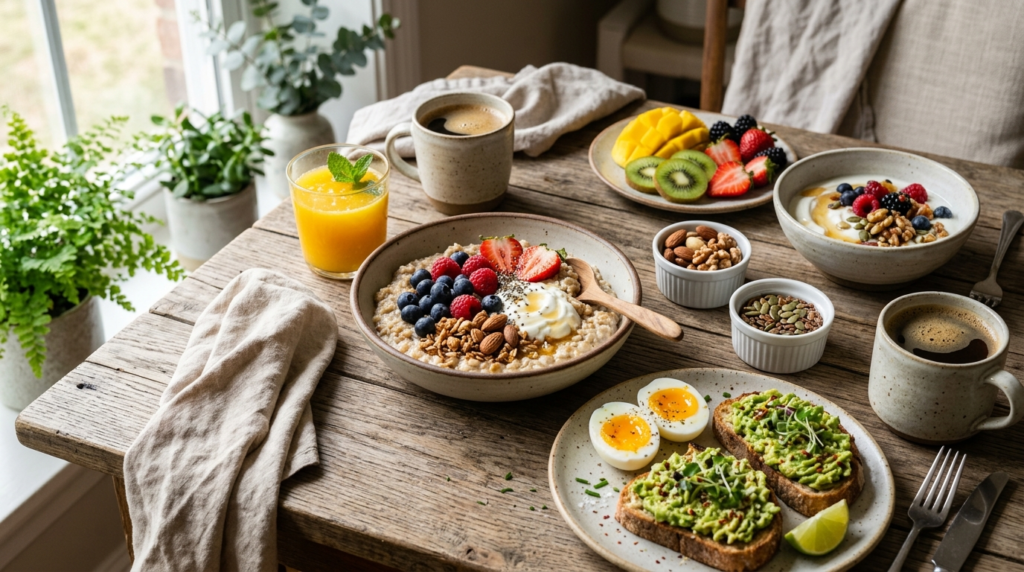
1. Oatmeal With Nuts and Fruit
Provides fiber and natural sweetness.
2. Greek Yogurt With Berries
Rich in protein and easy to prepare.
3. Eggs and Whole-Grain Toast
A classic balanced breakfast.
4. Cottage Cheese With Fruit
Simple and satisfying.
5. Overnight Oats
Convenient for busy mornings.
6. Avocado Toast
Contains healthy fats and fiber.
7. Smoothies Made With Whole Ingredients
Focus on fruit, protein, and healthy fats.
8. Chia Seed Pudding
A fiber-rich breakfast option.
9. Nut Butter and Banana Toast
Easy and filling.
10. Vegetable Omelet
Provides protein and nutrients in one meal.
If you’re also trying to manage your weight, combining a balanced breakfast with simple habits such as those in our guide on morning habits for weight loss can create a strong foundation for the rest of the day.
5 Easy Breakfast Swaps
| Instead Of | Try |
|---|---|
| Sugary cereal | Oatmeal |
| Donut | Greek yogurt and fruit |
| Muffin | Eggs and toast |
| Sweet coffee drink | Coffee with less sugar |
| Breakfast bar | Nuts and fruit |
Common Mistakes When Cutting Back on Sugar
Expecting Instant Results
Changes take time.
Skipping Breakfast Entirely
This can increase hunger later in the day.
Eliminating Fruit
Fruit contains natural sugars along with fiber and nutrients.
Choosing Highly Processed “Sugar-Free” Foods
Less sugar doesn’t always mean healthier.
Focus on whole foods whenever possible.
Frequently Asked Questions
1. Is fruit considered a sugary breakfast food?
No. Fruit contains natural sugars and valuable nutrients.
2. Can I still eat pancakes?
Yes. The goal is moderation and balance.
3. Are all cereals unhealthy?
No. Some cereals contain more fiber and less added sugar.
4. What should I drink with breakfast?
Water, milk, coffee, or tea can all fit into a balanced breakfast routine.
5. How much added sugar is too much?
Needs vary, but many health organizations recommend limiting added sugar intake whenever possible.

Final Thoughts
Many popular breakfast foods are packed with added sugar, yet they often leave people feeling hungry, tired, and craving more food shortly afterward.
By reducing sugary breakfast foods and choosing meals that contain more protein, fiber, and whole-food ingredients, you may notice steadier energy, fewer cravings, and improved satisfaction throughout the morning.
You don’t need a perfect diet. Sometimes a simple breakfast change can have a bigger impact than you expect.
Sustainable health improvements rarely come from one dramatic change. Whether you’re improving breakfast choices, practicing portion control, increasing protein intake, or following a consistent routine, small habits tend to produce the best long-term results.
The next time you sit down for breakfast, ask yourself one question:
Will this meal keep me satisfied for the next few hours, or will it leave me searching for another snack before lunch?
The answer may tell you everything you need to know.
American Heart Association
https://www.heart.org/en/healthy-living/healthy-eating/eat-smart/sugar/added-sugars