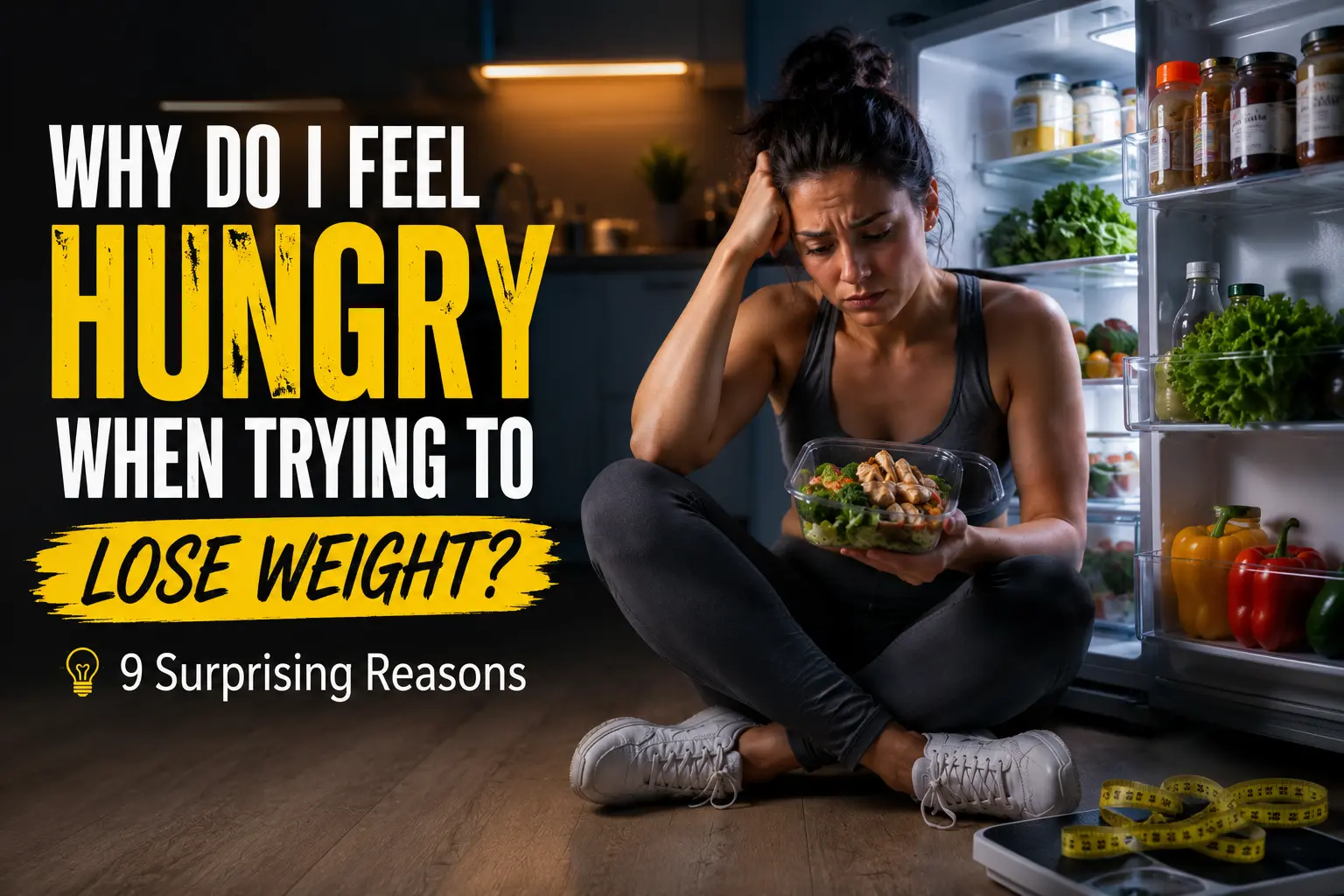
You finally decide to lose weight.
You start eating smaller portions, avoiding junk food, and choosing healthier meals. At first, you feel motivated and excited about the progress ahead. But then something frustrating happens. You suddenly feel hungry all the time.
Your cravings become stronger. You think about food constantly. Even after eating, you still feel unsatisfied.
If you keep asking yourself, “Why do I feel hungry when trying to lose weight?” you are not alone.
Many people feel hungry when trying to lose weight, especially when they suddenly change their eating habits. In fact, constant hunger is one of the biggest reasons diets fail.
The good news is that hunger during weight loss is usually fixable.
Once you understand what is causing it, you can make smarter changes that help you feel fuller, more energized, and more consistent without feeling miserable all day.
Why Do I Feel Hungry When Trying to Lose Weight?
1. You May Be Cutting Calories Too Aggressively
One of the biggest reasons people feel hungry during weight loss is eating too little.
Many diets encourage people to drastically reduce calories as quickly as possible. While this may lead to fast short-term results, it often increases hunger dramatically.
When your body notices a sudden drop in calories, it responds by increasing hunger hormones to encourage you to eat more. This is a natural survival mechanism.
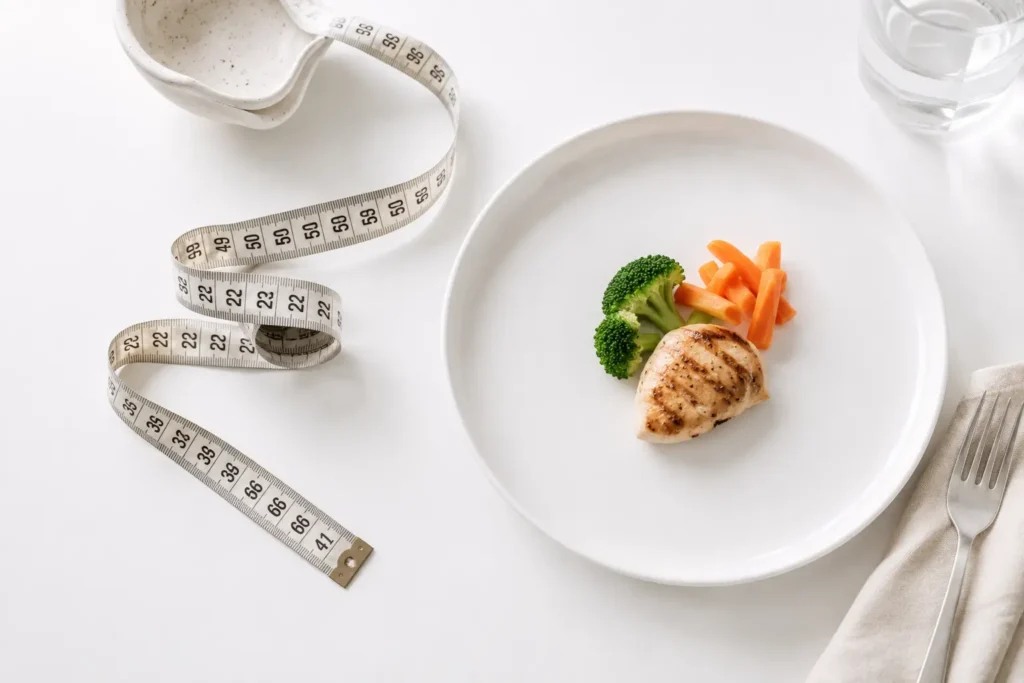
Extreme calorie restriction can lead to:
- intense cravings
- low energy
- mood swings
- overeating later
- binge eating episodes
Ironically, trying to eat “perfectly” can sometimes make weight loss harder because the hunger becomes impossible to sustain long term.
A moderate calorie deficit is usually much easier to maintain than a crash diet. This is one of the main reasons people ask, why do I feel hungry when trying to lose weight, even when they are “doing everything right.”
2. Why Healthy Meals Still Leave You Hungry During Weight Loss
Many people assume all healthy foods are filling. Unfortunately, that is not always true.
A smoothie may look healthy. A granola bar may say “high protein” on the label. A salad may seem like the perfect diet meal. This is another reason people often wonder why do I feel hungry when trying to lose weight, even after switching to healthy foods.
But many of these foods digest quickly and leave you hungry again within an hour. This happens because fullness depends on more than calories.
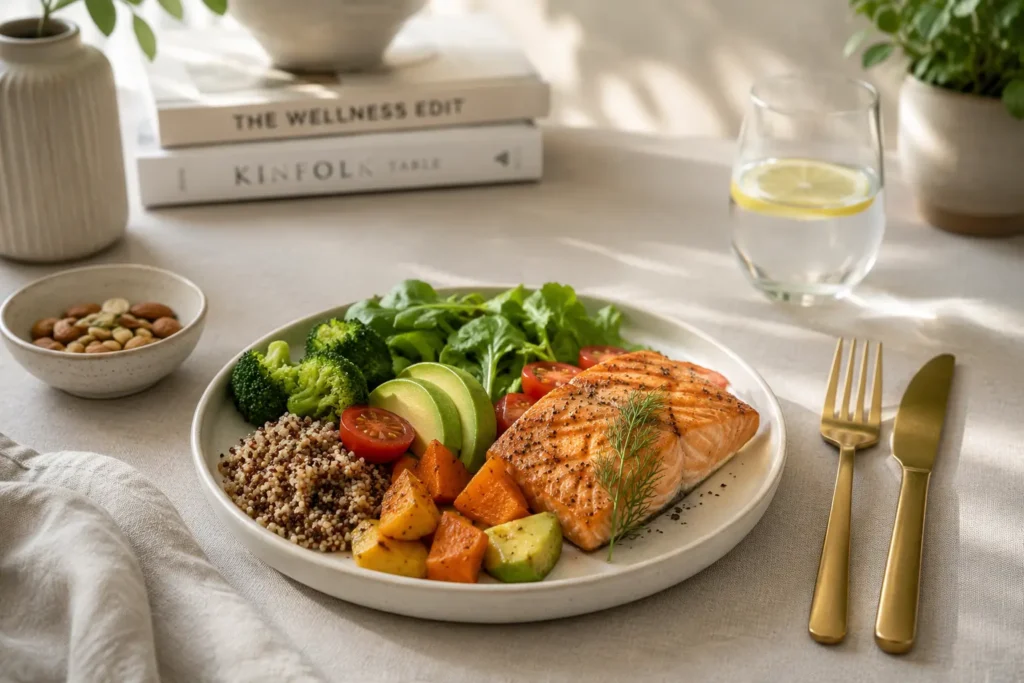
Your meals need enough:
- protein
- fiber
- healthy fats
Without those nutrients, your stomach empties faster and hunger returns quickly.
Many traditional eating styles naturally focus on balanced meals and portion awareness. For example, our article on Japanese eating habits that keep people slim explains how slower eating and mindful portions may support appetite control on Fithubpros.
For example, sugary cereal may contain similar calories to eggs and Greek yogurt, but the second option usually keeps people full much longer.
Foods that often improve fullness include:
- eggs
- chicken
- oats
- lentils
- beans
- Greek yogurt
- avocado
- nuts
Building balanced meals can make a huge difference in appetite control.
3. Low Protein Intake Can Make You Feel Hungry While Dieting
Protein is one of the most important nutrients for staying full.
Compared to processed carbohydrates, protein digests more slowly and helps regulate appetite more effectively.
Research from Harvard T.H. Chan School of Public Health has discussed how protein may support satiety and appetite control.
Many people accidentally build low-protein diets around foods like:
- cereal
- toast
- snack bars
- smoothies
- low-fat processed foods
These foods may feel satisfying temporarily, but hunger usually returns very quickly.
Adding protein to each meal can help reduce cravings and improve fullness throughout the day.
4. Poor Sleep Can Increase Hunger During Weight Loss
Sleep and weight loss are more connected than most people realize.
Poor sleep affects hormones related to hunger and appetite. When you consistently sleep too little, cravings for sugary and high-calorie foods often become much stronger.
This is why exhausted people commonly:
- snack more at night
- crave fast food
- feel less satisfied after meals
- struggle with emotional eating
According to Mayo Clinic, inadequate sleep may affect appetite regulation and weight management.
If you want to understand this connection better, you can also read our article about how many hours sleep weight loss requires on fithubpros.
Think about how you feel after only four or five hours of sleep. Most people crave sugar, caffeine, and comfort foods — not vegetables.
Improving sleep quality can sometimes reduce hunger more effectively than cutting additional calories.
5. Refined Carbs Can Make Hunger Worse
Not all hunger comes from eating too little.
Sometimes it comes from eating foods that digest too quickly.
Highly processed carbohydrates can spike blood sugar levels rapidly and then cause crashes afterward. Those crashes often trigger more hunger and cravings.
Common examples include:
- white bread
- pastries
- sugary cereal
- sweet coffee drinks
- processed snacks
You may feel full for a short time, then suddenly feel starving again.
Replacing refined carbs with higher-fiber foods may help stabilize appetite:
- oats
- brown rice
- vegetables
- fruit
- beans
- whole grains
Fiber slows digestion and helps meals feel more satisfying.
6. Emotional Hunger Is Real
Not all hunger is physical.
Sometimes stress, boredom, anxiety, loneliness, or emotional exhaustion can trigger cravings even when your body does not actually need food.
This is called emotional eating.

Emotional hunger usually:
- appears suddenly
- feels urgent
- craves specific comfort foods
- continues even after eating
Physical hunger develops more gradually and usually disappears after a balanced meal.
Many people blame themselves for “lacking discipline” when they are actually emotionally overwhelmed.
Recognizing emotional eating patterns can help you make healthier decisions without guilt.
7. You Might Be Drinking Too Little Water
Mild dehydration can sometimes feel surprisingly similar to hunger.
Your body may confuse thirst signals with cravings, especially if you:
- drink a lot of caffeine
- exercise regularly
- live in hot weather
- eat high-sodium foods
Before grabbing snacks, try drinking water and waiting 15 to 20 minutes.
Sometimes the craving disappears completely.
Staying hydrated will not magically eliminate hunger, but it can reduce unnecessary snacking.
8. Your Body Adapts During Weight Loss
One thing many people do not realize is that your body adapts during dieting.
As you lose weight, your body may try to conserve energy by increasing hunger signals and slowing down calorie burning slightly.

This is one reason strict diets feel manageable for a few days but become exhausting after several weeks. Weight loss is not only physical. It is psychological too. The more restrictive your diet feels, the harder it becomes to maintain consistently.
That is why sustainable eating habits almost always work better long term than extreme diets.
9. You May Be Eating Too Fast
Eating quickly can make it harder for your brain to recognize fullness signals.
When you rush through meals, your body may not have enough time to register satisfaction before you continue eating or start craving more food later.
Eating slowly may help you:
- feel fuller
- enjoy meals more
- reduce overeating
- improve portion control
Simple habits like chewing slowly and avoiding distractions while eating can make a noticeable difference.
If portion sizes are something you struggle with, you may also enjoy our guide on how portion control secretly affects weight gain at Fithubpros.
How to Feel Fuller While Losing Weight
If dieting constantly makes you hungry, the solution is usually not stronger willpower.
Instead, focus on improving meal quality and creating habits that help you stay satisfied naturally.
Here are some practical ways to feel fuller during weight loss:
Prioritize Protein
Include protein with every meal whenever possible.
Eat More Fiber
Fiber-rich foods digest more slowly and improve fullness.
Avoid Extreme Diets
Highly restrictive diets often increase cravings and hunger.
Sleep 7–9 Hours
Better sleep can improve appetite regulation.
Drink More Water
Hydration helps reduce unnecessary snacking.
Eat Slowly
Your brain needs time to recognize fullness.
Include Healthy Fats
Foods like avocado, nuts, olive oil, and seeds can make meals more satisfying.
Build Balanced Meals
Meals containing protein, fiber, and healthy fats usually control hunger better than processed low-calorie foods.
Frequently Asked Questions
1. Is it normal to feel hungry while losing weight?
Yes. Many people feel hungry while trying to lose weight, especially during a calorie deficit or when meals lack protein and fiber.
2. Why am I hungry even after eating healthy food?
Some healthy foods digest quickly and may not contain enough protein, fiber, or healthy fats to keep you full for long.
3. Can poor sleep increase hunger?
Yes. Poor sleep affects hunger hormones and may increase cravings for sugary and high-calorie foods.
4. How can I stop feeling hungry during weight loss?
Eating more protein, fiber, and healthy fats while improving sleep and hydration can help reduce hunger naturally.
Final Thoughts
Feeling hungry while trying to lose weight does not mean your body is broken. And it definitely does not mean you are failing. In many cases, constant hunger is simply your body responding to changes in calories, sleep, stress, hydration, and meal quality.
The goal should not be to survive on the smallest amount of food possible.
The goal is to create eating habits you can realistically maintain without constantly thinking about food.
Because the best weight loss plan is not the most extreme one. It is the one you can actually stick to. Once you understand why do I feel hungry when trying to lose weight, it becomes much easier to build a sustainable plan.