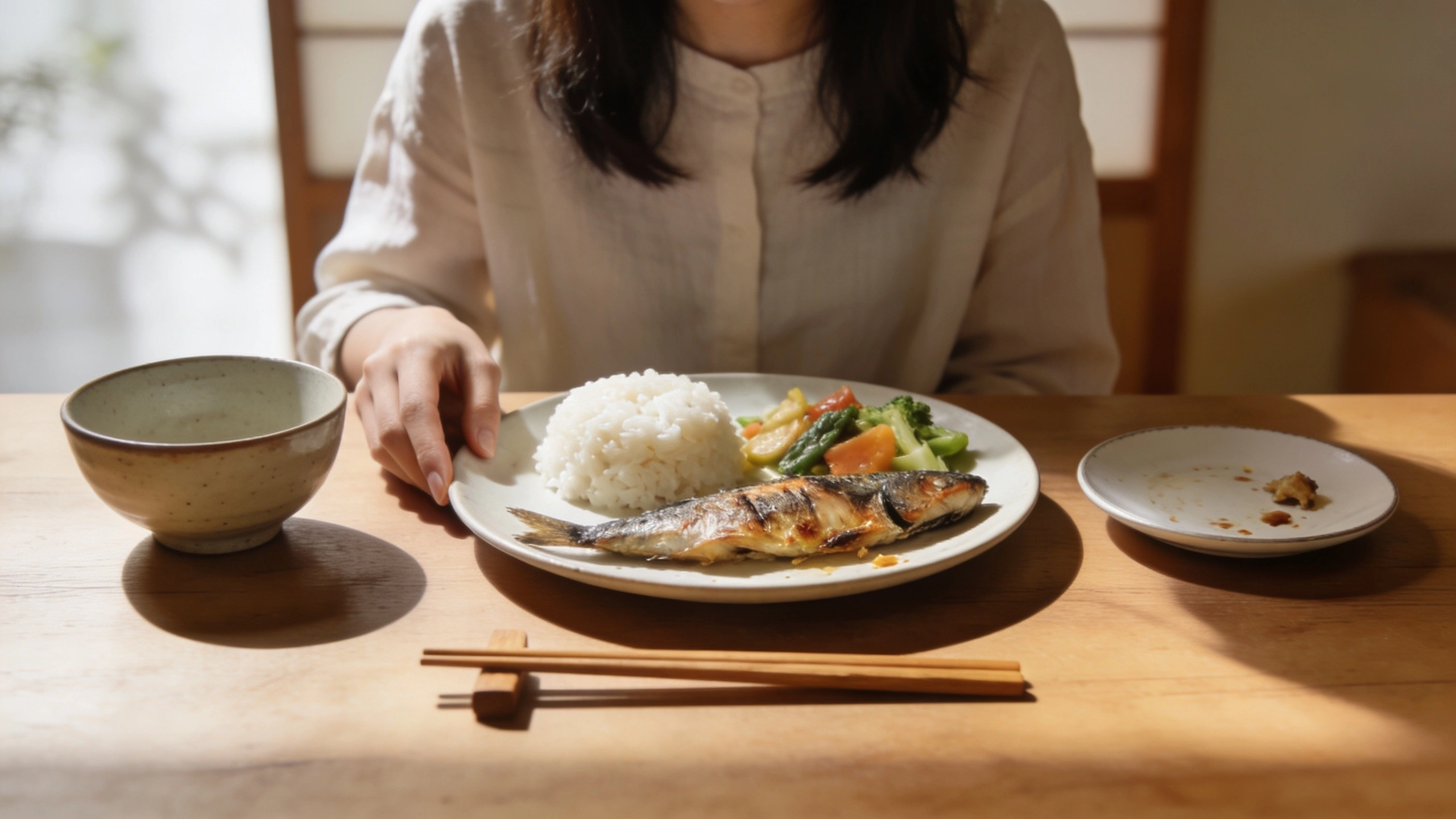
Many people overeat without realizing it. Hara Hachi Bu is a Japanese habit that may naturally help reduce overeating without strict dieting.
The people of Okinawa, Japan eat rice, pork, fish, and sweet potato and they are among the leanest, healthiest, longest-living people on the planet.
No calorie counting. No food restrictions. No willpower battles.
Unlike the effects of ultra-processed foods, this method focuses on how you eat, not what you eliminate.
Their secret is just three words: Hara hachi bu.
It means: eat until you are 80% full. Stop just before you feel completely satisfied. Push the plate away while the food still tastes good.
That is the entire practice. And the science behind it is extraordinary.
What Is Hara Hachi Bu?
Hara hachi bu is a centuries-old Confucian teaching practiced in Okinawa, Japan. The phrase means “eat until eight parts full” , with ten being completely stuffed.
It is not a diet. There are no banned foods, no meal plans, no calories to track.
It is simply the habit of stopping before your stomach is full and eating slowly enough to notice when you are getting there.
Here is the biology that makes it work: your brain takes approximately 20 minutes to receive fullness signals from your stomach. By the time you feel completely full, you have already overeaten , often by hundreds of calories
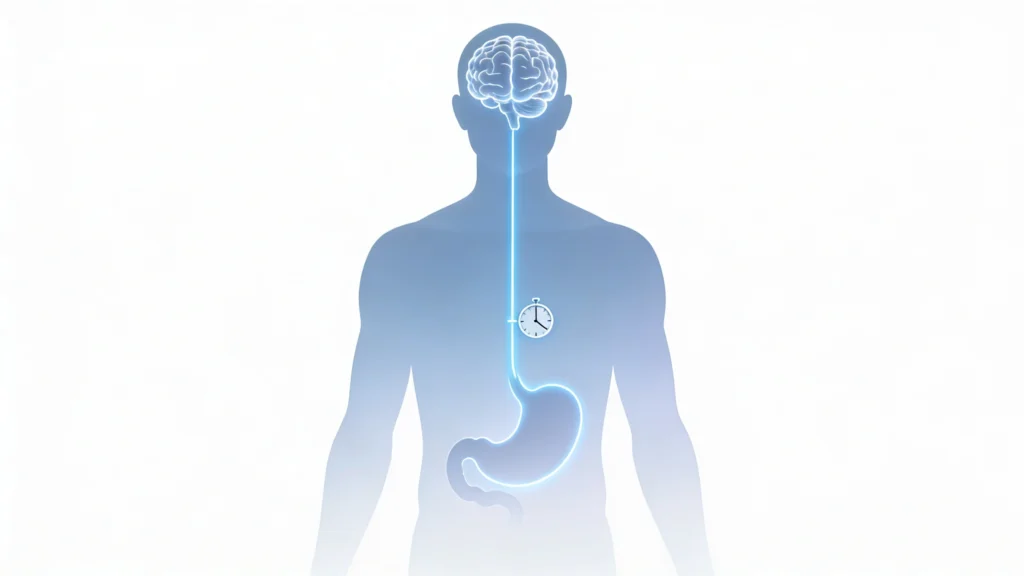
without realizing it. Hara hachi bu solves this by working with the delay instead of against it. Stop at 80%, and 20 minutes later your brain catches up and you feel perfectly satisfied.
The Okinawa Proof : This Actually Works
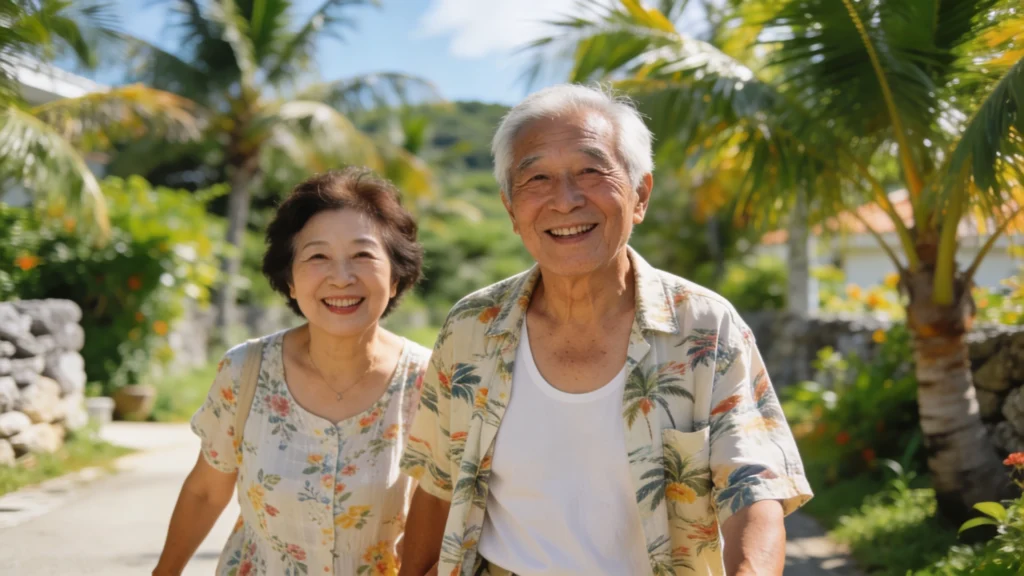
Okinawa is one of the world’s five Blue Zones — regions where people routinely live past 100 in excellent health.
Researchers from Harvard and the Blue Zones project have studied Okinawans for decades. The findings are consistent:
- One of the lowest obesity rates in the world
- Significantly lower rates of heart disease, diabetes, and cancer than Western populations
- Lower average BMI — even eating carbohydrates, fat, and pork regularly
- Naturally consuming 200 to 400 fewer calories per day , without restriction or counting
Over one year, that natural reduction equals 73,000 to 146,000 fewer calories. The equivalent of losing 9 to 18 kilograms — just by stopping eating a little earlier.
No gym. No diet. No suffering.
4 Reasons It Works Better Than Any Diet
1. It works with your biology
Every diet fights your body and restriction triggers why you are always hungry hunger hormones, slows your metabolism, and makes cravings worse. That is why 80% of dieters regain the weight within two years.
Hara hachi bu does the opposite. It uses your natural satiety hormone , leptin , more effectively. Eating slowly and stopping early gives leptin time to signal your brain properly. No cravings. No rebound. No hunger.
2. It stops the yo-yo cycle permanently
Because you are not cutting out any food group, your body never enters survival mode. There is no restriction to rebel against.
Sustainable changes stick. Extreme changes do not. Hara hachi bu is the most sustainable eating change a person can make.
3. It fixes your digestion fast
Overeating strains your digestive system every single day. Bloating, acid reflux, sluggish digestion , these are often not food sensitivities and you can improve your gut health naturally by simply reducing how much you eat and slowing down.
Most people report less bloating within the first week of practicing hara hachi bu. Better digestion within two weeks. Significant reduction in reflux within a month.
4. It rewires your relationship with food
Research shows 70% of adults eat while distracted by scrolling phones, watching screens which directly causes overeating because distraction disconnects you from your body’s signals.
Hara hachi bu requires attention. Over time, this rewires your entire relationship with food. You stop eating out of habit or comfort, and start eating because you are genuinely hungry.
How to Practice Hara Hachi Bu: 4 Simple Steps
1. Set your intention before eating
In Okinawa, people say the words “hara hachi bu” before every meal as a reminder. You do not have to speak Japanese , but pausing for three seconds before eating and setting your intention changes how you approach the entire meal.
2. Eat slowly
You cannot practice hara hachi bu while eating fast. Put your fork down between bites. Chew each mouthful fully. Aim for each meal to take at least 20 minutes. This is non-negotiable and the entire practice depends on it.
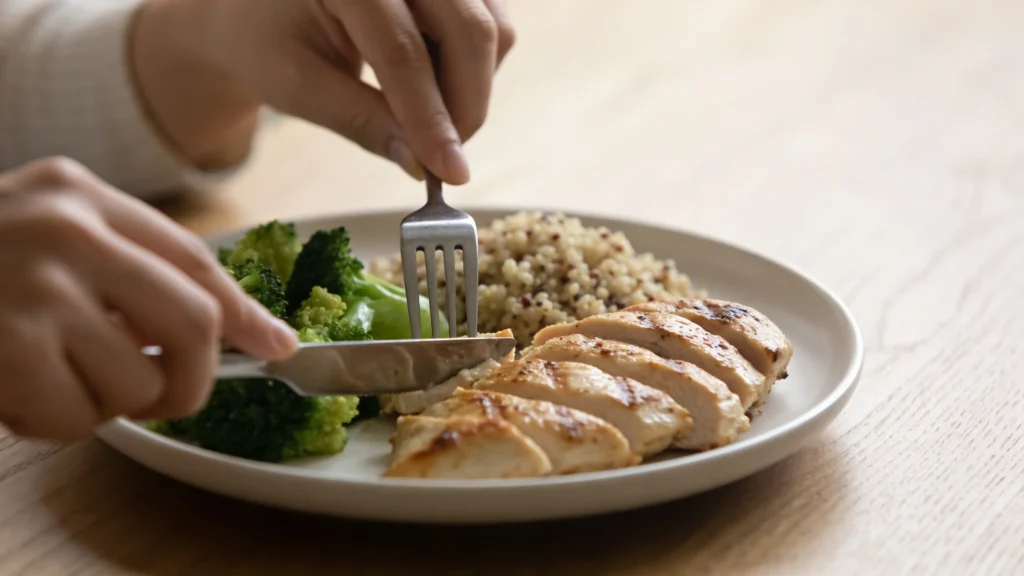
3. Remove distractions
No phone at the table. No television. Just your food and your attention. Notice the taste. Notice your hunger level. Notice when it starts to feel comfortable rather than urgent.
4. Stop at comfortable, not full
When you feel comfortably satisfied not full, just satisfied then stop. Push the plate away. Wait 20 minutes.
The first few times feel slightly uncomfortable, like leaving something unfinished. That feeling disappears within one week as your body adjusts.
Your 14-Day Hara Hachi Bu Starter Plan
Do not try to be perfect from day one. Build the habit gradually:
- Days 1 to 3: Practice at one meal per day — choose dinner, when you are most relaxed.
- Days 4 to 7: Add lunch. Begin eating both meals without screens.
- Days 8 to 14: Practice at every meal. Notice how your hunger patterns shift naturally.
What most people notice by Day 14: less bloating, better digestion, reduced afternoon energy crashes, and clothing that fits differently. The scale changes follow , but the body changes begin immediately.
Hara hachi bu has kept an entire island population lean, healthy, and energetic into their 90s and 100s — for centuries.
You do not need to count calories. You do not need to cut carbs. You do not need willpower. You just need to eat a little more slowly, pay a little more attention, and stop a little sooner.
Start with one meal today. Eat slowly. Stop at 80%.
Your body already knows how to find its healthy weight. Hara hachi bu simply gives it the space to do it.
Read next : benefits of walking yoga
Reference : ScienceDaily
Hara Hachi Bu and Longevity : https://www.sciencedaily.com/
Read more weight loss and wellness tips on FitHubPros — new articles every week.
According to the World Health Organization, regular physical activity is essential for overall health.
https://www.who.int/news-room/fact-sheets/detail/physical-activity